After the Rain: An Image of Stewardship
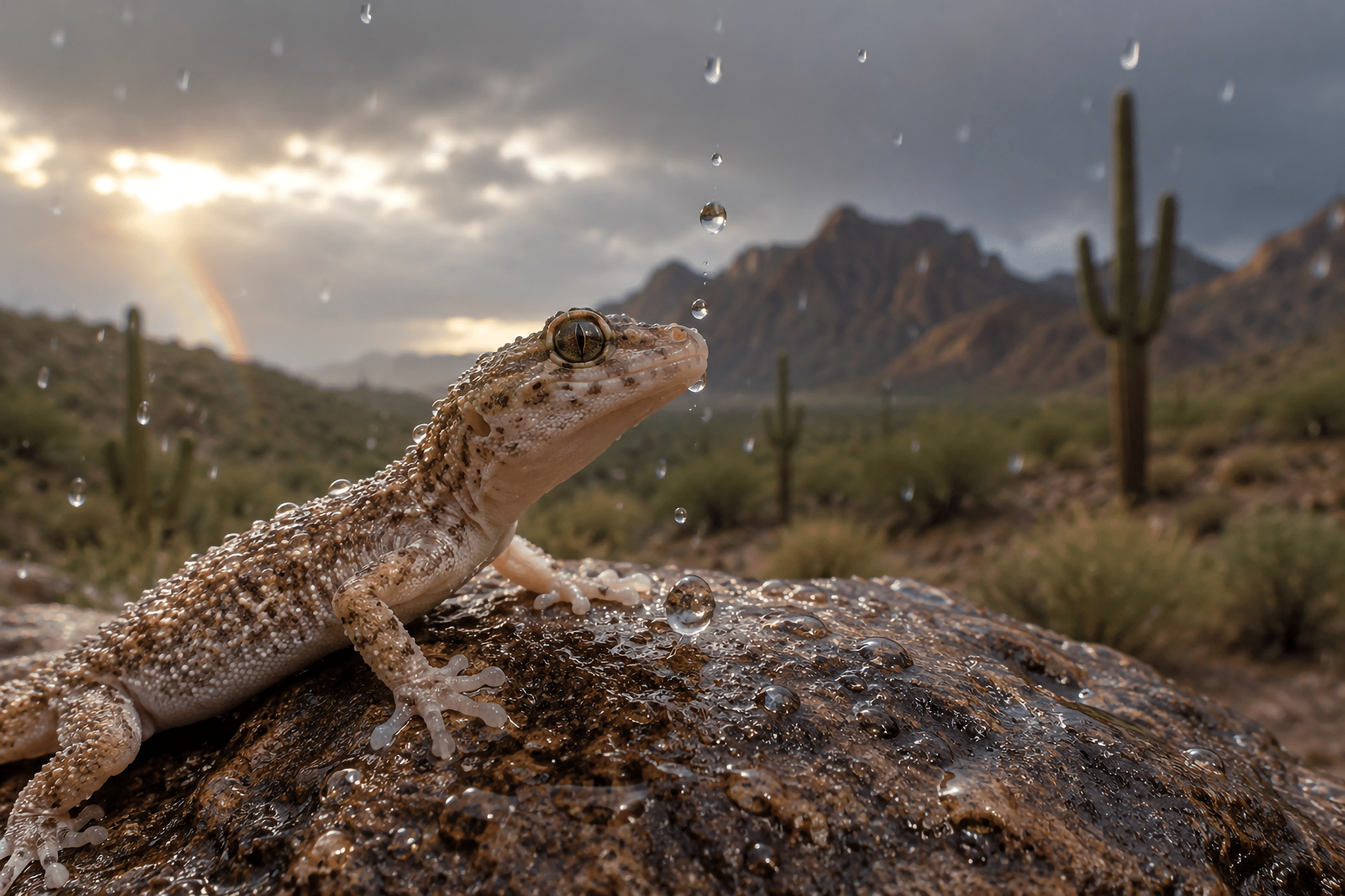
There is something about rain in Southern Arizona that makes you pay attention.
Maybe it is because we receive so little of it, compared with many other parts of the country, that we do not take a rainy day for granted.
We notice the clouds begin to build over the mountains. The temperature drops. The scent of creosote fills the air before the first drops even hit the ground.
When the rain finally comes, the desert seems to respond almost immediately.
Everything looks different.
The sandy brown landscape begins to give way to unexpected shades of green.
What always strikes me is that the rain doesn’t create the life that suddenly becomes visible. The plants, seeds and roots were already there. Much of it had simply been waiting—ready to receive what it needed to grow.
I think there is a lesson about stewardship in the way the desert receives the rain.
So much of stewardship begins with recognizing what is already there.
Our faith. Our families. The people God has placed in our lives. Our abilities and opportunities. The work we have been given to do. Our material blessings. Even our time—something we often speak of as though it belongs entirely to us.
None of these things begin with us.
They are gifts we have received.
That can be easy to forget. We work hard for what we have, building careers, making sacrifices and countless decisions along the way. Our own effort certainly matters. But underneath all of it are things we could never have provided for ourselves: life itself, people who formed us, opportunities that came our way, a faith handed down to us, and the grace of God working in ways we may not even recognize.
But stewardship asks us to notice.
And once we notice, there is a second question: What is God asking me to do with what I have been given?
That question reaches far beyond financial considerations.
Perhaps we have been given the ability to listen well, and someone in our life needs to be heard. Perhaps we have experience that could help a younger colleague or parish volunteer. Perhaps our schedule contains an hour that could be offered in service. Or perhaps we have resources that can help someone whose circumstances are very different from our own.
Sometimes stewardship is a significant act of generosity. Just as often, it happens quietly—in the way we spend an ordinary Tuesday afternoon, in the attention we give another person, in the prayer we offer for someone who will never know we prayed for them.
The saints understood this. Holiness was not reserved for extraordinary moments. It was found in the faithful use of what God placed before them each day.
That is why stewardship is ultimately much more than something the Church asks of us. It is a way of seeing our lives.
When we begin to recognize everything as gift, gratitude starts to change the way we respond. We become a little less concerned with what belongs to us and a little more attentive to what God might be asking us to do with it.
The desert knows something about receiving and giving.
When the rain comes, the desert doesn’t hold back. It takes what it has been given and, in time, returns that gift as new growth, new color and new life.
Perhaps the desert is not a bad image for stewardship after all.
We receive.
We give thanks.
And then, with God’s grace, we make something of what we have been given.
Reflection by Suzanne Hopkins, CFRE